Manuscript Types
GRJNST accepts submissions under multiple categories, each designed to serve specific scientific communication purposes. Authors must carefully select the appropriate type and ensure compliance with type-specific requirements to facilitate peer review and maintain high publication standards.
2.1 Original Research Articles
Purpose:
Original research articles are intended to present novel and significant contributions to the field of natural sciences and technology. They should report findings that advance knowledge, provide new insights, or develop innovative methods.
Length and Format:
- Manuscripts should be 6,000–8,500 words, including title, abstract, tables, figures, and references.
- Abstract: Maximum 300 words summarizing objectives, methods, results, and conclusions.
- Keywords: Up to 5 terms relevant to the study, provided in English.
Content Requirements:
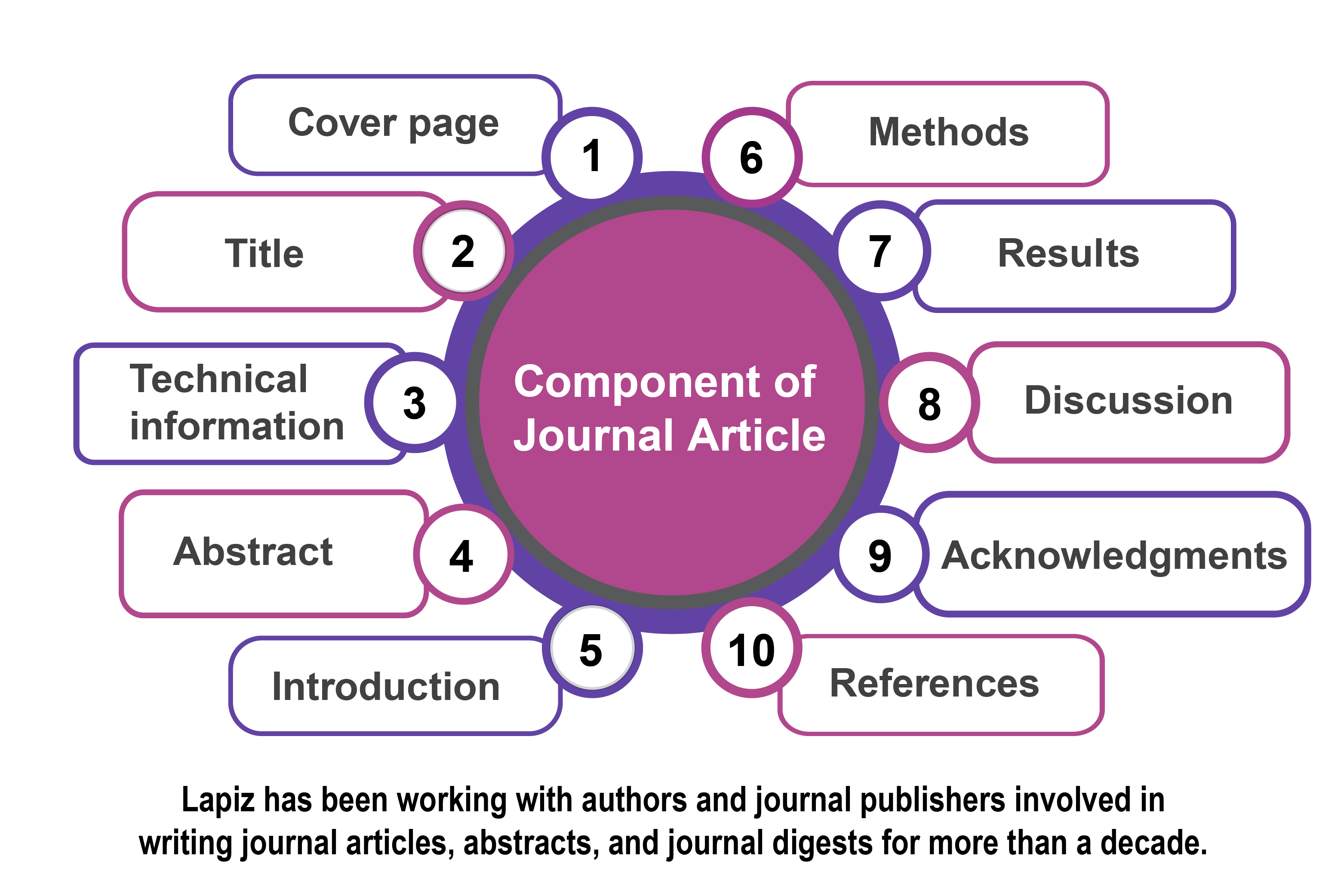
- Introduction: Clearly define the problem, research questions, and context.
- Materials and Methods: Detailed enough to allow replication of results by other researchers. Include all experimental conditions, statistical analyses, and protocols.
- Results: Clearly presented with tables, figures, and statistical analyses. Only data supporting the conclusions should be included.
- Discussion: Interpretation of results in context with previous studies, highlighting novelty, implications, and potential limitations.
- Conclusion: Concise summary emphasizing the study’s contribution and relevance.
- References: Follow APA format with full first names; include DOI when available.
Additional Notes:
- Must include authorship contributions using the CRediT taxonomy.
- Ethical approval must be stated where applicable (human or animal studies).
- Data transparency is mandatory, and authors are encouraged to deposit datasets in repositories.
2.2 Review Articles
Purpose:
Review articles synthesize and critically evaluate existing literature on a specific scientific topic. They should provide a comprehensive perspective, identify research gaps, and suggest future directions.
Length and Format:
- Maximum length: 5,000–10,000 words, including references, tables, and figures.
- Abstract: Maximum 300 words, summarizing the scope, key findings, and relevance.
Content Requirements:
- Introduction: Define the scope of the review, background, and objectives.
- Main Body: Organize literature thematically or methodologically. Provide critical analysis, not just a summary. Highlight controversies, consensus, and limitations in current research.
- Future Directions: Suggest research priorities, technological advancements, or methodological improvements.
- References: Extensive but relevant; prioritize peer-reviewed sources. Include DOIs where applicable.
Additional Notes:
- Figures and tables summarizing key findings are encouraged.
- Review articles must demonstrate analytical depth and provide a clear contribution to the understanding of the field.
2.3 Short Communications
Purpose:
Short communications report time-sensitive or high-impact findings that do not require a full-length article. They facilitate rapid dissemination of new results.
Length and Format:
- Maximum 3,500 words including references, figures, and tables.
- Abstract: 200–250 words highlighting the key findings.
Content Requirements:
- Results must be concise and focused, emphasizing novelty.
- Include supporting figures or tables to illustrate findings clearly.
- Discussion should be brief but informative, interpreting the significance of results.
Additional Notes:
- Short communications are ideal for preliminary findings, methodological innovations, or urgent discoveries.
- Must adhere to the same ethical and plagiarism standards as full-length articles.
2.4 Case Studies
Purpose:
Case studies provide detailed reports on applied research, experimental procedures, or real-world implementations. They demonstrate practical relevance and reproducibility.
Length and Format:
- Flexible length depending on the scope of the case, generally 3,000–5,000 words.
- Abstract: Maximum 250–300 words summarizing the case context, methodology, and outcomes.
Content Requirements:
- Background: Contextualize the case, including previous work or standards.
- Methodology/Implementation: Step-by-step description of the procedures or applications.
- Results/Outcomes: Clear, supported by tables, figures, or metrics.
- Analysis: Discuss implications, success factors, challenges, and limitations.
- Conclusion: Summarize lessons learned and potential for replication.
Additional Notes:
- Case studies must prioritize data transparency and reproducibility.
- Ethical approvals, where applicable, must be documented.
2.5 Perspectives, Opinion, and Commentary
Purpose:
These articles provide analytical, evidence-based insight on a current issue, policy, debate, or emerging trend in natural sciences or technology.
Length and Format:
- Maximum length: 2,500 words including references.
- Abstract: Optional, depending on the topic.
Content Requirements:
- Should highlight a unique perspective, critique policies, or provide a roadmap for future discussion.
- Arguments must be evidence-based, supported by relevant references.
- Use clear, concise, and persuasive language.
Additional Notes:
- Not intended for original experimental data, though minor supporting evidence can be included.
- Peer-reviewed for clarity, relevance, and rigor.
2.6 Monographic Proposals / Special Issue Contributions
Purpose:
Monographs or special issues are coordinated submissions on a single theme, comprising multiple related articles to provide comprehensive coverage of a research topic.
Submission Requirements:
- Proposal Document (to be submitted for review before accepting contributions):
- Introduction (≤850 words): Justify the relevance and timeliness of the proposed topic.
- Contributor List: Names, affiliations, and roles of participating authors.
- Titles and Abstracts (≤250 words each): For each intended contribution.
- Minimum five and maximum eight original research articles must be included.
- All articles must adhere to GRJNST formatting and ethical guidelines.
Additional Notes:
- Coordinators may write the introduction (≤8,500 words) but should not author individual contributions to avoid conflicts.
- The editorial board may require revisions or redistribution of articles to ensure quality, diversity, and balance of perspectives.
- Diversity, gender parity, and institutional variety are encouraged to enhance the scientific impact of the monograph.
Key Notes for All Manuscript Types
- Plagiarism: Similarity must be below 20% as per HEC and Turnitin guidelines.
- Authorship: Authors must be listed with full names, ORCID IDs, institutional affiliations, and email addresses. CRediT taxonomy is mandatory.
- Ethics: Human or animal studies require ethical approval. Conflicts of interest must be disclosed.
- Figures & Tables: Minimum resolution 300 dpi. Proper titles and captions required.
- Data Availability: Authors are encouraged to deposit datasets in reputable repositories for transparency.
- Submission Process: Upload editable manuscript and anonymized PDF. Include supplementary materials, copyright forms, and permissions.