Global Research Journal of Natural Science and Technology (GRJNST) is a prestigious, HEC-recognized Y-Category multidisciplinary journal committed to advancing research, knowledge dissemination, and scholarly communication in the natural sciences, technology, engineering, health sciences, and related interdisciplinary domains. The journal serves as a rigorous, high-quality platform for researchers, academics, practitioners, and policymakers worldwide, providing a trusted outlet for original research, comprehensive reviews, critical analyses, methodological innovations, and applied studies. Its overarching mission is to promote excellence, transparency, and integrity in scientific research while fostering the global exchange of knowledge across diverse fields.
GRJNST emphasizes a broad and inclusive range of disciplines, encompassing but not limited to Physics, Chemistry, Biology, Zoology, Botany, Geology, Mathematics, Biotechnology, Food Science, Agricultural Sciences, Plant Sciences, Agricultural Engineering, Agricultural Economics, Sustainable Energy Use, Soil and Water Sciences, Environmental and Earth Sciences, Computer Science, Mechanical Engineering, Civil Engineering, Electrical Engineering, Information Technology (IT), Health Sciences, Medicine, Public Health, Veterinary Science, and Health Policy. By integrating multiple scientific domains, GRJNST promotes interdisciplinary research, encourages collaboration between traditionally separated fields, and supports studies that bridge theoretical exploration and practical application. The journal recognizes that scientific advancement increasingly relies on cross-disciplinary innovation and aims to provide a platform where such collaborations can be shared with a global audience.
The journal maintains both print (p. ISSN: 2790-7643) and electronic (e. ISSN: 2790-7651) identifiers, ensuring accurate citation, tracking, and accessibility. GRJNST is indexed in a growing number of databases and is committed to being widely discoverable to maximize visibility and impact. The journal’s editorial policies, indexing practices, and open-access approach are designed to enhance discoverability, citation, and long-term archival stability.
GRJNST’s core aim is to publish innovative, original, and high-quality research that contributes meaningfully to the respective field of study. The journal seeks manuscripts that are methodologically sound, theoretically rigorous, and empirically substantiated. By providing a platform for both fundamental and applied research, GRJNST ensures that its publications are not only scientifically significant but also relevant for practical implementation, policy formulation, and technological advancement. The submission of a manuscript to GRJNST indicates that the work is original, has not been submitted elsewhere, and that all authors have provided their consent for publication.
As part of its commitment to open science, GRJNST operates under a full open-access model, making all articles freely available to the global scientific community immediately upon publication. This policy ensures that researchers, practitioners, educators, and students worldwide can access and share knowledge without subscription barriers or pay-per-view charges. Open access promotes accelerated scientific communication, encourages collaboration, and maximizes the societal impact of published research. Authors benefit from increased visibility, wider dissemination, and enhanced citation potential, while readers benefit from unrestricted access to high-quality research content.
To sustain its operations and maintain high editorial and publication standards, GRJNST implements Article Processing Charges (APC) for accepted manuscripts. These fees cover the cost of peer review management, editorial oversight, professional copyediting, website maintenance, long-term archiving, indexing, and continuous dissemination of content. Authors are provided clear instructions regarding payment methods, invoicing, and financial queries to ensure transparency and facilitate smooth processing.
GRJNST is fully committed to the principles of publication ethics and academic integrity, drawing on internationally recognized guidelines, including the Committee on Publication Ethics (COPE) Best Practice Guidelines and Elsevier’s recommendations. The journal has implemented stringent policies to maintain the highest standards of research integrity, prevent misconduct, and protect the scholarly record. All submitted manuscripts are screened using professional plagiarism detection software, and a maximum similarity index of 20% is permitted, in accordance with HEC guidelines. Manuscripts found to violate ethical standards, including duplicate publication, data fabrication, plagiarism, or misrepresentation, will be rejected outright or retracted post-publication if detected later. The journal reserves the right to report misconduct to relevant authorities, including institutional ethics committees and funding bodies, to uphold accountability.
All GRJNST submissions are subjected to a rigorous double-blind peer review process to ensure impartiality and objectivity. During review, neither the authors nor the reviewers are aware of each other’s identities. This ensures unbiased evaluation based solely on the merit, originality, and scientific rigor of the work. Editors carefully match manuscripts with qualified reviewers possessing relevant expertise and experience. Reviewers are selected based on their ability to provide critical, constructive, and timely evaluations. Reviewers must disclose any potential conflicts of interest and may recuse themselves from reviewing manuscripts where impartial judgment could be compromised.
Editors play a central role in upholding the journal’s standards. They guarantee unbiased review, coordinate communication between authors and reviewers, maintain strict confidentiality, and ensure adherence to the journal’s ethical guidelines. Editors also evaluate the overall fit of manuscripts for the journal’s scope and provide guidance to authors for improving the quality and clarity of their work. The Editor-in-Chief oversees the editorial board, supervises review processes, and ensures that all editorial and publication decisions align with GRJNST’s mission of scientific excellence.
Reviewers are expected to provide thorough, evidence-based evaluations of manuscripts, assessing methodology, data quality, interpretation of results, clarity of presentation, and relevance to the field. They are responsible for providing actionable feedback to authors while maintaining confidentiality throughout the review process. Reviewers who feel inadequately qualified to assess a manuscript must notify the Editor-in-Chief and decline the review.
Authors are responsible for the integrity, originality, and transparency of their submissions. Manuscripts must provide accurate and verifiable data, sufficient methodological detail to allow reproducibility, and appropriate attribution to prior work. Authors must disclose all funding sources, institutional affiliations, and potential conflicts of interest. Plagiarism, duplicate publication, or simultaneous submission to multiple journals is strictly prohibited. All authors must approve the final manuscript and ensure consensus for submission, including acknowledgment of ethical compliance and adherence to journal standards.
GRJNST encourages authors to follow CRediT (Contributor Roles Taxonomy) to clearly identify individual contributions to a manuscript, including conceptualization, methodology, data curation, formal analysis, investigation, writing (original draft and review), project administration, and funding acquisition. This transparent authorship model enhances accountability and credit distribution across all contributors.
The journal’s submission process is designed to be transparent, streamlined, and author-friendly. Authors must register on the GRJNST submission portal, provide full institutional affiliations and ORCID iDs, and submit two versions of their manuscript: a full version containing author information and an anonymized version for blind peer review. Supplementary materials, including datasets, figures, tables, and media, must be uploaded separately. Authors are also required to complete a submission checklist confirming compliance with ethical guidelines, manuscript preparation standards, and copyright transfer agreements. Upon successful submission, authors receive acknowledgment within 24 hours, and manuscripts enter the double-blind peer review process. A detailed PDF guide with step-by-step visuals is provided to assist authors in navigating the submission system efficiently.
GRJNST publishes various manuscript types, including original research articles, review articles, short communications, case studies, perspectives, commentaries, and monographic proposals. Original research articles should present novel findings with sufficient data to support conclusions, while review articles must critically analyze the literature, identify knowledge gaps, and propose future research directions. Short communications provide rapid dissemination of significant findings, and case studies report applied research with practical implications. Monographic proposals coordinate thematic submissions and require multiple contributions, ensuring diversity in authorship, geography, and disciplinary representation.
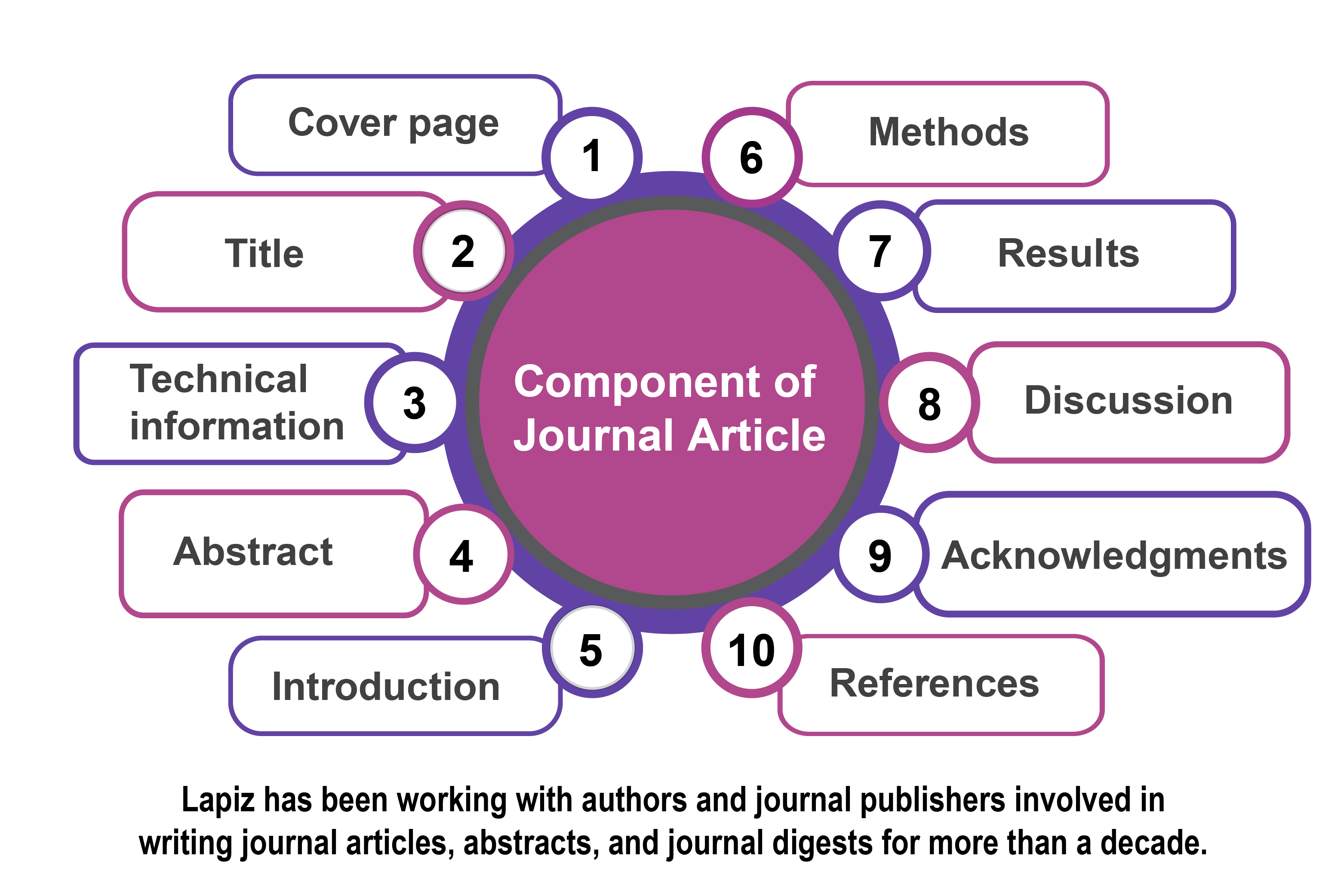
GRJNST adheres to strict manuscript preparation guidelines, including standardized formatting, precise language, structured abstracts, clear figures and tables, embedded equations, and appropriate citation of references following APA 7th edition style. Supplementary materials, such as high-resolution figures, datasets, and media, must be included in standardized formats to support reproducibility and transparency. Manuscripts failing to meet these requirements may be returned to authors for correction before review.
The journal implements a comprehensive proofs and post-publication process, providing authors with PDF proofs for review within three days. Only minor corrections are allowed post-proof to preserve publication integrity. Articles are first published online, followed by print versions, with authors notified upon publication and provided with direct download links.
GRJNST strongly encourages international collaboration, inclusivity, and diversity in research. Authors are urged to adopt unbiased, gender-sensitive language, consider sex or gender as variables in study design where applicable, and acknowledge contributions equitably. By fostering inclusivity, GRJNST aims to reflect the global nature of scientific research and promote equitable representation of all researchers.
All GRJNST publications are made available under the Creative Commons Attribution 4.0 International License (CC BY 4.0), granting users worldwide permission to read, download, share, distribute, and reproduce the content, provided proper credit is given to the original authors. This ensures that knowledge is freely accessible while maintaining ethical use and attribution.
Through its rigorous peer review, comprehensive ethical framework, open-access policy, multidisciplinary scope, and commitment to scholarly excellence, GRJNST serves as a leading platform for the dissemination of high-impact research. By integrating theoretical investigation with applied innovation, the journal contributes to scientific advancement, informs policy and practice, and supports global knowledge exchange across natural sciences, technology, engineering, health, and related disciplines. GRJNST is not merely a publication venue but a global hub for advancing research integrity, methodological rigor, and interdisciplinary collaboration, supporting the continuous growth of the international scientific community.