Review of Environmental Effect to Mitigate Climate Change and Reduction of Carbon Footprints in Beef Meat
DOI:
https://doi.org/10.53762/grjnst.04.01.27Keywords:
Beef, Carbon dioxide, Environmental effects, Climate changeAbstract
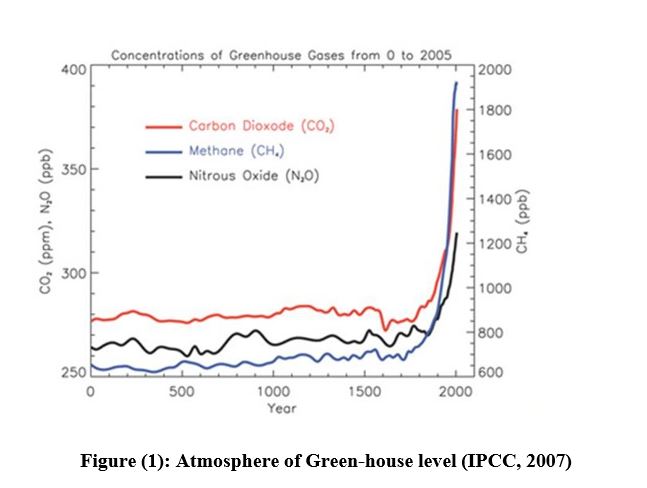
Worldwide animal agriculture produces more greenhouse effects than the world’s other transportation altogether. Meat production and daily consumption interacts with each other. Lots of things affect the firmness of meat be it environmental, gregarious, economic, or religion based. Environmental factors comprise carbon depletion, greenhouse gas extraction and cutting of forest carbon monoxide emission. Unitary dairy animals used for milk can drink 50 gallons of water each day or twice, which adds up to swallowing the climate and it takes 683 gallons of water to produce just 1 gallon of milk. It will take more than 2,400 gallons of water to make 1 pound of meat. According to the United Nation's show "Combat Desertification", ten pounds of grain are needed to deliver just one pound of meat, and in the United States alone, 56 million acres of land were used to develop fodder for these animals goes. , While only 4 million land lands are delivering plants for people to eat. More than 90 percent of all Amazon rainforest cleared land since 1970 is used to brush pets. Similarly, one of the principle crops developed in the rainforest is soybean is used for animal feed. According to the report of California State Senate noted, “Studies have exposed that the lagoons produce toxic airborne chemicals that may be cause inflammation, immunity problems, allergy problems and neuron-chemical problems in humans.” Different countries have applied different radical steps to minimize the toxins from meat. Beef meat comes from cows and buffaloes and they are herbivores means they mostly reside on grass but due to deforestation their resources are getting lower. Strategies to control climate change include more production of fertilization, more greenery, more renewable resources, and more radical techniques to control overgrowing of population. In Brazil street farming technique is
introduced to fight deforestation and carbon footprints by cleaning environment and producing more fertilizers for the growth of plant. In Japan, they are introducing totally pesticide free organic grass which is chemically free, as chemically manufactured pesticides produces more harmful effect in the environment and are not completely absorbed in the soil. In United states AMP grazing is introduced which means less grass more feeding which totally decays of harmful bacteria from soil. Meanwhile in Pakistan, no radical steps are being introduced other than comparisons with different countries. Pakistan is one of the emerging agriculture hubs in world radical steps must be taken to support this ratio.
Downloads
Downloads
Published
Issue
Section
License
Copyright (c) 2026 Kumail Shahbaz, Samina Kauser , Zainab Chaudhary, Umar Farooq Alahmad, Shoaib Azeem, Amna Nisar (Author)

This work is licensed under a Creative Commons Attribution-NonCommercial-NoDerivatives 4.0 International License.