Microneedle-Based Drug Delivery Systems: A Comprehensive Review of Biomedical Applications
DOI:
https://doi.org/10.53762/grjnst.03.01.41Keywords:
Microneedles, Transdermal drug delivery, Cancer therapy, Insulin delivery, Wound healing, Applications of microneedles in bioscienceAbstract
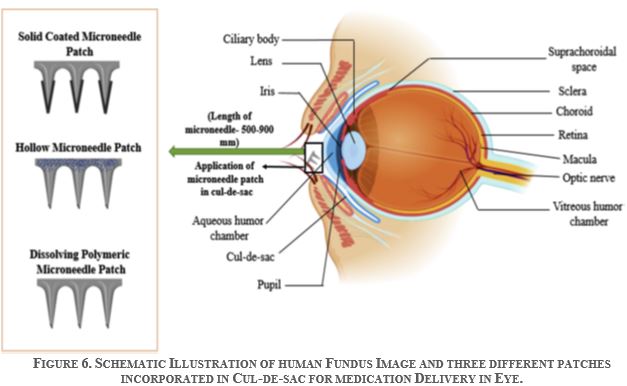
In recent years, microneedle technology has emerged as a significant advancement in biomedical engineering, offering a minimally invasive and patient-centered approach to therapeutic delivery. Conventional drug administration methods, such as hypodermic injections and systemic dosing, are often limited by pain, poor patient adherence, low bioavailability, and unwanted systemic side effects. To overcome these limitations, microneedle-based delivery systems have been extensively investigated for applications in cancer therapy, diabetes management, wound healing, and ophthalmology. This review outlines recent progress in microneedle fabrication, material selection, and functional design, with particular attention to their use in localized anticancer treatment, transdermal insulin delivery, hemostatic wound care, and ocular drug administration. Various microneedle designs—including solid, hollow, coated, dissolving, and hydrogel configurations—are examined in relation to their capacity for controlled drug release, effective tissue penetration, and reduced systemic exposure. While preclinical studies demonstrate encouraging therapeutic outcomes, several obstacles continue to impede clinical translation, including concerns related to long-term safety, incomplete pharmacokinetic understanding, manufacturing scalability, and regulatory approval. Despite these challenges, microneedle technology remains a highly adaptable and promising platform for future drug delivery, provided that issues of biocompatibility, standardization, and clinical validation are systematically resolved.
Downloads
Downloads
Published
Issue
Section
License
Copyright (c) 2026 Sasuee Khatoon, Sehreen Moorat, Natasha Mukhtiar, Muhammad Ali Bohyo, Manahil Siddique (Author)

This work is licensed under a Creative Commons Attribution-NonCommercial-NoDerivatives 4.0 International License.